UPDATED NEWS
Get You Updated on Playground Equipment News.
Get You Updated on Playground Equipment News.




Date: 2026-08-16 14:44:57 Click: 492







Opening an indoor playground is not only about choosing the right location and purchasing high-quality Indoor Playground Equipment. One of the most important decisions for business owners is:
“How much should I charge for my indoor playground?”
Setting the right pricing strategy can directly affect your customer traffic, revenue, and long-term profitability.
There is no single price that works for every indoor playground. The ideal pricing depends on many factors, including your location, facility size, target customers, attractions, operating costs, and local competition.
In general, indoor playground admission prices in the United States usually range from $10 to $30 per child per visit, while premium family entertainment centers may charge higher prices by offering additional attractions and experiences.
This guide explains how to create a profitable pricing strategy for your indoor playground business.
Before deciding your admission fee, you need to understand who your customers are.
Different customer groups have different expectations.
These facilities usually focus on:
Typical pricing:
$10–$20 per child
Customers usually expect:
Large indoor entertainment centers may include:
Typical pricing:
$20–$40 per child
Customers are paying for a complete entertainment experience rather than simple playground access.
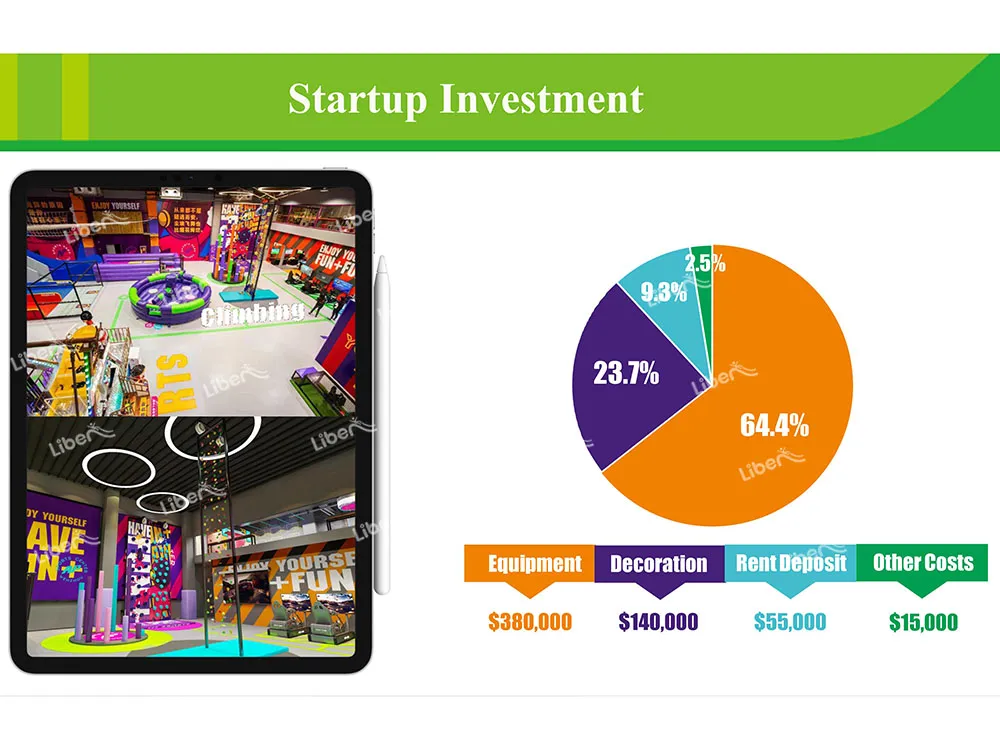
Successful indoor playground businesses usually use multiple revenue models instead of relying only on admission fees.
This is the simplest pricing method.
Example:
Advantages:
Some indoor playgrounds charge based on playing duration.
Example:
This model helps manage customer flow and encourages longer visits.
Membership programs create repeat customers and predictable income.
Examples:
$50–$100 per month
Benefits:
$300–$800 per year
Memberships are especially effective for locations with many families nearby.
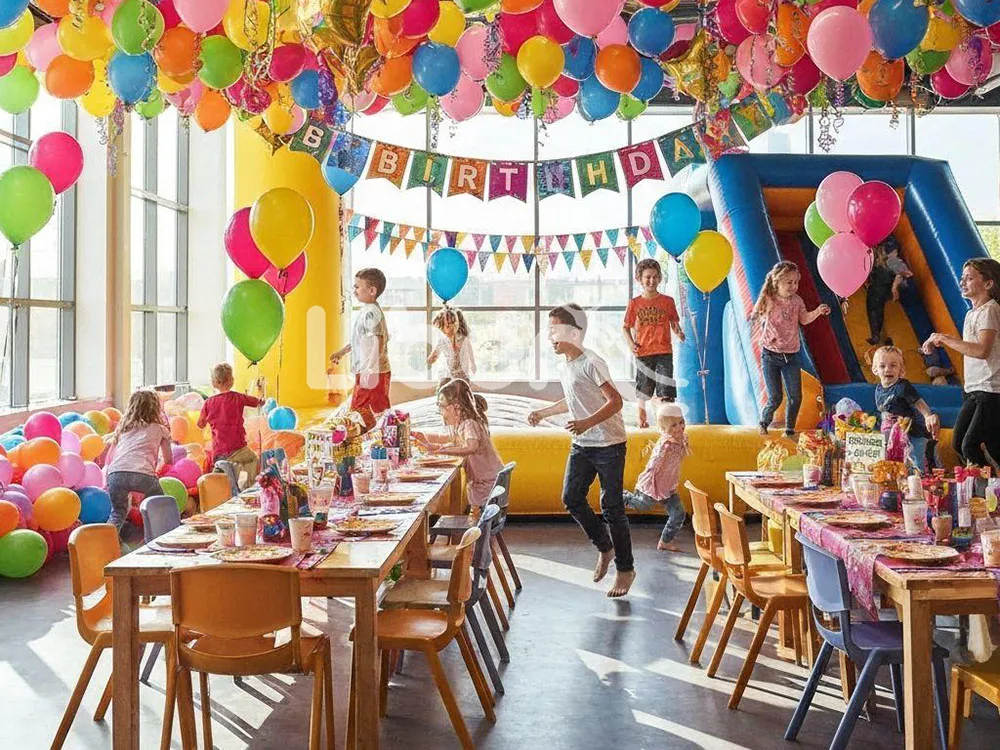
Birthday parties are one of the most profitable revenue sources for indoor playgrounds.
Typical pricing:
$200–$800 per party
Packages may include:
Many successful indoor playground operators design special birthday packages because families are willing to spend more for convenient celebrations.
Your final pricing should consider several important factors.
Location has a major impact on customer spending.
For example:
A playground in a large metropolitan area may support higher prices than one in a small town.
Consider:
A 300㎡ toddler playground and a 3,000㎡ family entertainment center should not have the same pricing.
More attractions allow higher prices.
Additional attractions include:
The more value you provide, the more customers are willing to pay.
Modern parents are not only paying for equipment. They are paying for:
A professionally designed indoor playground with attractive themes and comfortable parent areas can justify premium pricing.
Before setting your price, calculate your operating costs.
Your expenses may include:
Then estimate:
A simple formula:
Required Revenue ÷ Expected Visitors = Minimum Average Spending Per Customer
For example:
Monthly expenses:
$50,000
Expected monthly visitors:
5,000 children
Minimum average spending:
$50,000 ÷ 5,000 = $10 per visitor
Your actual price should be higher than this to generate profit.
Recommended:
Focus:
Recommended:
Focus:
Recommended:
Focus:
Increasing prices is not always the best way to improve profits.
Many successful indoor playgrounds increase revenue through additional services.
Create attractive party packages:
Parents often stay for several hours.
Adding:
can increase average customer spending.
Examples:
These programs create additional income opportunities.
Some playgrounds sell:
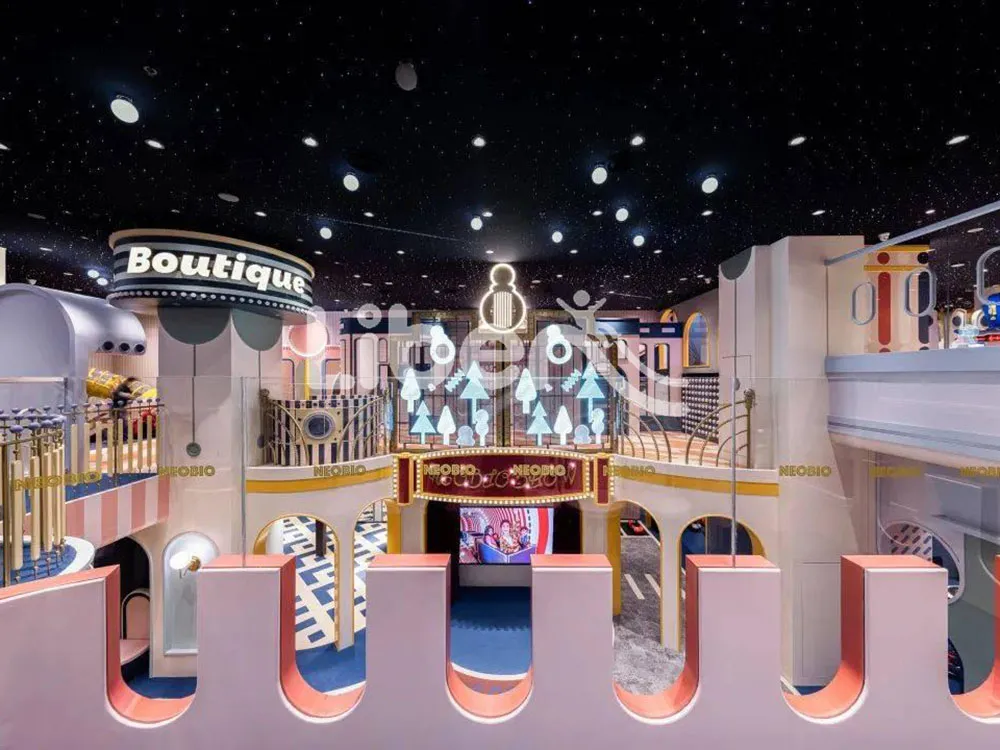
Pricing is closely connected with the quality of your playground design.
A basic playground may attract customers once.
A well-designed entertainment center encourages:
Professional indoor playground equipment manufacturers can help create:
LibenPlay provides complete indoor playground solutions for investors, operators, and commercial developers worldwide.
Our services include:
With experience in global projects, LibenPlay understands that successful playgrounds require more than equipment — they require a design that supports customer experience and business growth.
So, how much should you charge for your indoor playground?
For most indoor playground businesses:
However, the best pricing strategy depends on your location, target market, attractions, and business model.
A successful indoor playground combines the right pricing, attractive design, quality equipment, and excellent customer experience.
If you are planning to open an indoor playground, working with an experienced indoor playground manufacturer can help you create a space that attracts customers and supports long-term profitability.
Planning your indoor playground project? Contact LibenPlay for professional design and customized playground solutions.